


Wearable technology has quietly become part of the bigger conversation about health and well-being. Oura, though, stands out from the pack. Not just because the ring itself is clever engineering, but because the company behind it has built something rarer: a culture shaped, deliberately, by its values. What you end up with is a business that manages to feel ambitious and genuinely human at the same time. That combination is harder to pull off than it sounds.
Here I want to look at the values that shape Oura's identity, and then at how those values show up in something concrete — its "Oura for Business" initiative. My aim isn't to sell you on Oura. It's to understand what makes its culture distinctive, and to think honestly about what happens when that culture meets the messier reality of employee wellness at scale.
The Oura philosophy: health as daily practice
Oura starts from a fairly simple premise: health isn't just the absence of illness. It's something you practice.
The company's mission puts sleep front and center — sleep being the thing most of us overlook until it falls apart, yet it's foundational to almost everything else. The emphasis throughout is on giving people the self-awareness and the data to make better daily choices. Not choices made for them. Choices made by them, with better information.
Oura's vision, as I read it, is a future where health isn't a once-a-year checkup but something woven into the fabric of everyday life — supported by continuous, actionable feedback. The goal is to help people realize their own potential and to treat well-being as an ongoing, self-directed process rather than a fixed destination.
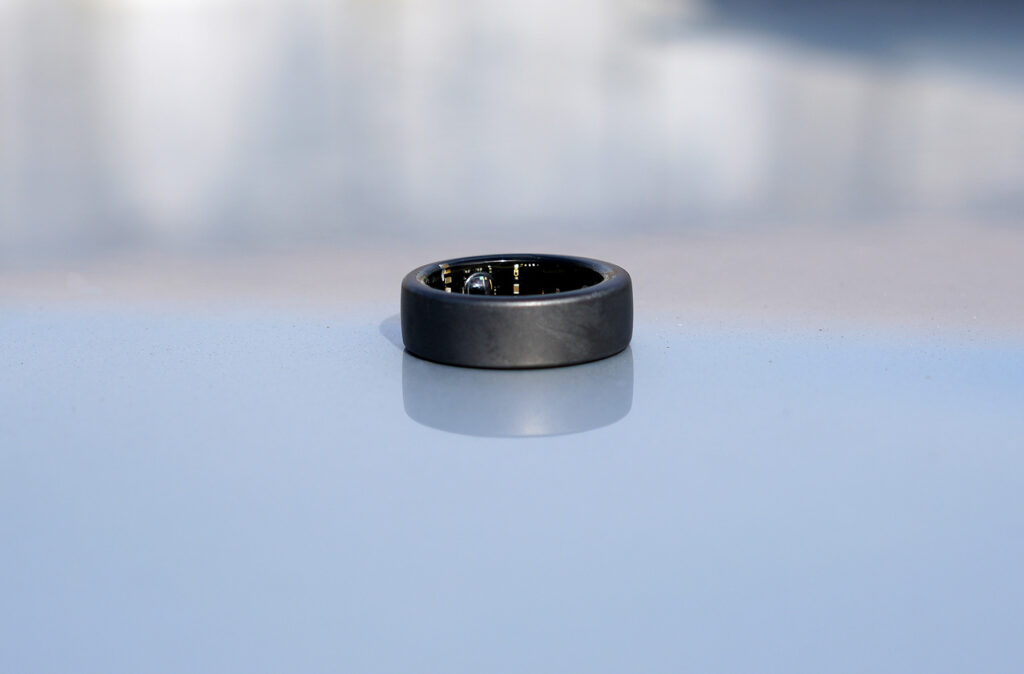
The values underpinning Oura's culture
"Not me, we": the ethos of Ubuntu
Oura operates with a collective mindset. I find this one of the more interesting choices a tech company can make. The organization draws its strength from a diversity of backgrounds and perspectives, treating collaboration as essential to growth rather than a nice-to-have. Learning runs in both directions. Support is reciprocal. These are the quiet mechanics of a culture that puts the collective ahead of individual ego.
Ambition with depth: "we aim higher"
Curiosity is encouraged. So is a willingness to challenge norms — Oura's teams are expected to question assumptions and chase excellence, but not excellence for its own sake. The point is to serve users better. Innovation, in this framing, is tempered by thoughtful execution. Move fast, sure, but know where you're going.
"We are human first"
Respect for individuality and inclusion sits at the foundation here. Oura's culture is built so that everyone feels they belong, whatever their background or ability. Accessibility isn't bolted on afterward — it's embedded in both the products themselves and the internal practices that shape how people work.
Solution-focused by design
Oura wants a proactive, practical approach to problem-solving. Employees are expected to bring possible solutions, not just flag issues and walk away. Honesty and perseverance aren't optional extras here; they're non-negotiable. The focus, always, is on moving forward constructively.
Trust as a guiding principle
Trust is treated as a core asset — maybe the core asset. Oura's commitments to users, to data privacy, to ethical conduct are taken seriously, at least in how the company frames itself. The stated intent is to earn and keep trust through transparency, and by doing the right thing even when nobody's watching. That last part is the real test of any values statement, isn't it?
Oura for Business: rethinking workplace wellness
With Oura for Business, the company takes its philosophy out of the individual's hands and into the workplace. The service offers tools and analytics meant to help employers build healthier, more resilient teams. This isn't just about tracking metrics for the sake of a dashboard — it's about giving organizations real resources to support genuine well-being at work.
Inside the Oura for Business platform
The platform delivers daily health insights and trends, so both individuals and teams can act on real data rather than guesswork. The combination of a precise wearable, a sophisticated app, and custom B2B solutions has drawn clients from some very different worlds — the military, elite sports, and plenty in between. The intent is to make meaningful wellness data useful in a wide range of settings, not just for the already health-obsessed.
The reported outcomes are notable. In its own materials, Oura for Business points to members reporting an 88% improvement in overall health, 86% in sleep quality, 70% in stress management, and 64% in work productivity, all within the first 30 days of use. Worth pausing on those numbers — they suggest a real, tangible impact. Though I'd argue the deeper value isn't the first-month spike. It's whether that shift holds and becomes genuine cultural change.
How Oura measures what matters
Three key scores anchor the Oura experience:
- Sleep: Integrates data on sleep stages, timing, and physiological markers for a holistic Sleep Score.
- Activity: Goes beyond steps, incorporating heart rate, calorie burn, inactivity, and recovery for a nuanced Activity Score.
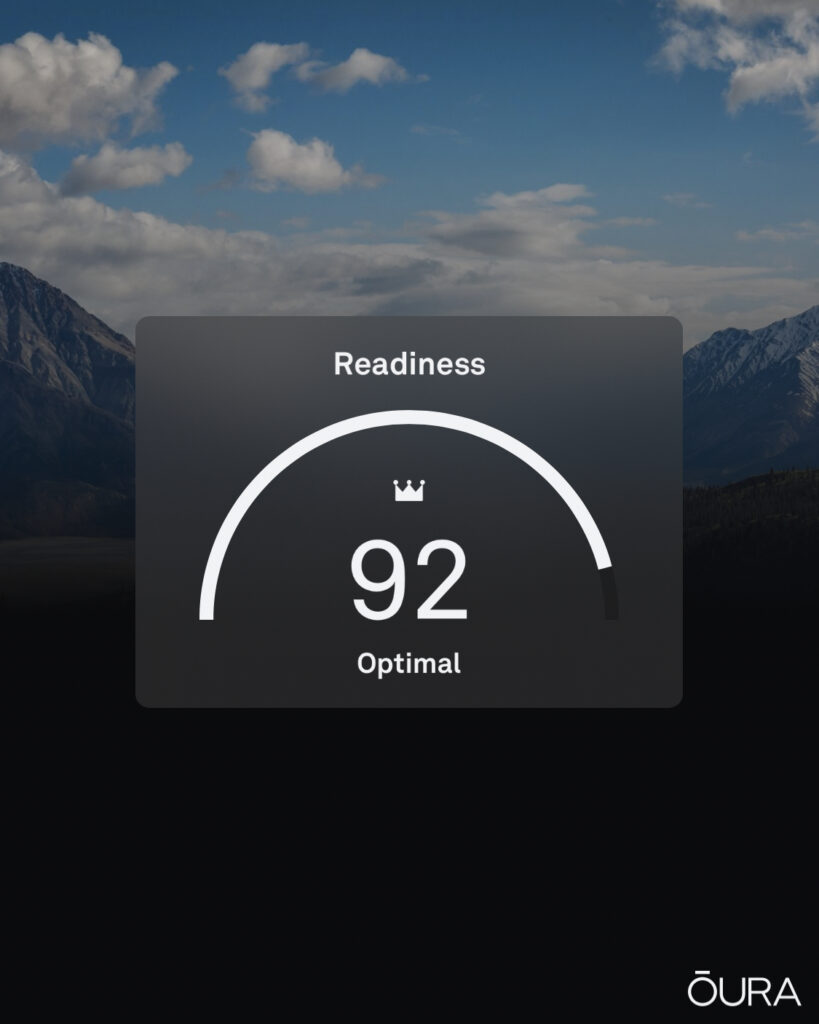
- Readiness: Synthesizes sleep, activity, and physiological stress signals (such as temperature and HRV) to offer a daily Readiness Score — a practical guide for energy and workload management.
Oura for Business: real-world applications
- Employee Wellness: Empowers staff to make informed choices and connects personal well-being to organizational outcomes. The ring can double as a benefit or a recognition tool, supporting both individuals and teams.
- Performance: In elite sports and tactical environments, Oura provides data-driven insights for recovery, readiness, and risk mitigation.
- Clinical & Academic Research: Robust sensors and protocols make Oura a practical choice for high-fidelity research environments.
- Healthcare: Early trend detection supports a shift from reactive treatment to preventive care.
- Integration: Oura's data can be folded into existing platforms, extending the reach of daily health metrics.
Trust and tension: the culture question
Here's where it gets genuinely complicated. Workplace adoption of wearables raises real questions about privacy and autonomy — and in low-trust environments, concerns about surveillance are entirely justified. For some roles, pilots being the obvious example, the case for monitoring is clear enough. Nobody wants a fatigued pilot in the cockpit. But in other contexts, mandatory tracking can quietly undermine morale and erode the very trust it's supposed to protect. The line isn't always obvious. Each organization has to work it out for itself, carefully, rather than borrowing someone else's answer.
Flip the context, though, and the same technology tells a different story. In organizations where employee well-being is genuinely prioritized — not just stated in a values deck — a tool like Oura can become support rather than control. When leaders actually respond to the data with care, addressing root causes of poor sleep rather than just noting the number, wearables can build a culture of compassion and shared responsibility. These are the workplaces where biofeedback isn't merely tolerated. It's embraced, as part of a broader commitment to human flourishing.
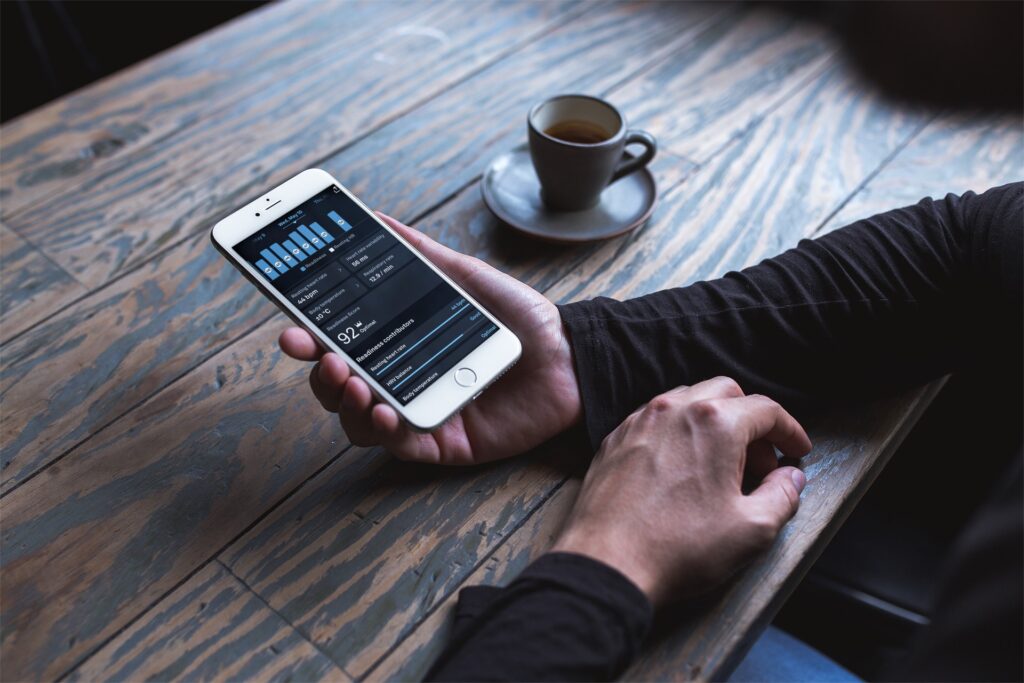
As organizations grow more attuned to the links between well-being and performance, tools like Oura seem well-positioned to shape where work and health go next.
One of the biggest risks to well-being is indecisiveness. I outsource my well-being decision-making to Oura so that there is no ambiguity in my life. When I'm ready for action, I go. When I need to recover, I take it easy.
Brad Hook
A personal reflection
After more than five years of wearing Oura Rings, I've found the device to be a steady companion — one that aligns, quite naturally, with my own core value of vitality. The real-time insight into heart rate variability and recovery has become something like a quiet daily check-in. Am I adapting well to stress? Is today a day for high intensity, or for active rest? The data gives me clarity, not rigidity. A way to respond to what life's asking of me without endlessly second-guessing myself.
Indecision, in my experience, is one of the quieter enemies of well-being. Oura removes a good deal of that ambiguity — letting me act with confidence when my energy is high, and letting me step back, without guilt, when recovery is what's needed.
For anyone drawn to a data-driven, thoughtfully designed wearable, the Oura Ring Generation 3 stands out as a robust option.
Discover your own core values
The free, research-backed Values App assessment reveals your top five in about three minutes — no sign-up required.
Take the free assessment