
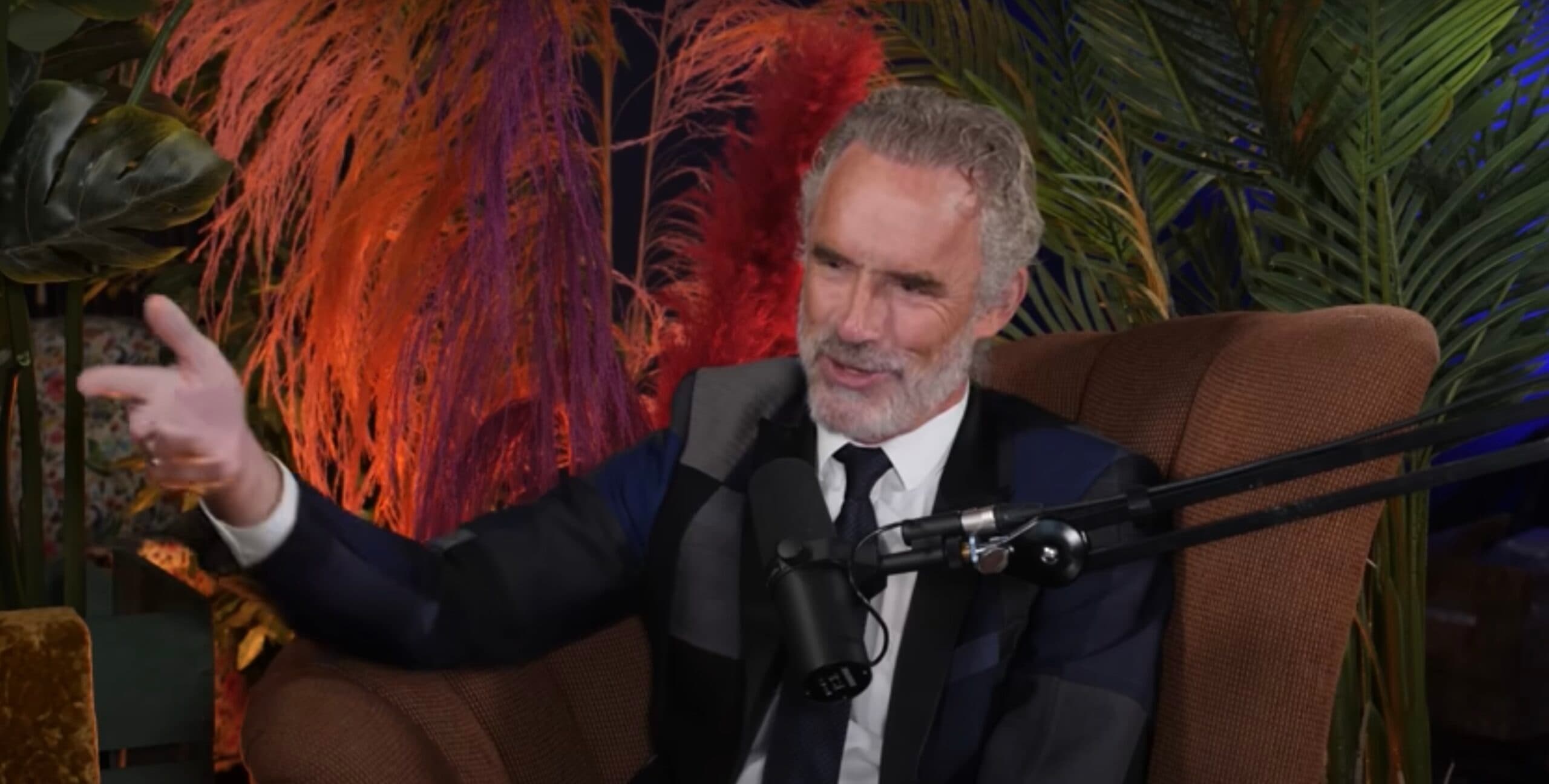

Jordan Peterson is one of those figures people can't seem to discuss without an opinion attached. He's controversial, he's influential, and depending on who you ask, he's either a much-needed voice of reason or a lightning rod for everything wrong with public discourse. I want to set the noise aside for a moment and look at the values underneath his philosophy — the ideas that actually hold his work together.
I remember watching Jordan Peterson talk about the crisis young people are facing because of a lack of meaning in their lives. He links this back to a collapse of values, and we wholeheartedly agree.
Peterson's background and rise to prominence
Before we get into the values themselves, it helps to know the man behind them. Jordan Peterson started out as an academic largely unknown outside his field — a clinical psychologist and professor at the University of Toronto. What changed things was a mix of scholarly rigor and a genuine talent for stirring public debate, and it crystallized with his bestselling book, "12 Rules for Life: An Antidote to Chaos." That book, combined with his outspoken views on political and social issues, is what pushed him into the spotlight, earning him fierce supporters and equally fierce critics. I don't think his rise was just a story about a man willing to speak his mind. I think it says something about how hungry people were for candid, unfiltered discourse on complicated issues.
His clashes with detractors, journalists, and protestors have become legendary, as seen in the video below.
Core value 1: Personal responsibility
If I had to name the single value that runs through everything Peterson says, it's personal responsibility. He asks people to take charge of their own lives, and he argues that personal transformation is the starting point for any real societal change. You see this most clearly in "12 Rules for Life," where he tells readers to set their own house in order before they go criticizing the world. Across his lectures and interviews, the message stays consistent: meaning isn't something you find out in the world, it's something you build through your own capacity to bear responsibility. It sounds simple when you say it plainly, but this idea sits at the center of his worldview, and it pushes directly against the narratives of victimhood and external blame that are common in modern culture.
Core value 2: Truth and honesty
For Peterson, truth and honesty aren't just nice moral choices — he treats them as existential necessities. In both his clinical practice and his public commentary, he argues that speaking the truth is the foundation of psychological health and a functioning society. You can see this value in action in his opposition to Canada's Bill C-16, which he viewed as an infringement on free speech. His book "Maps of Meaning: The Architecture of Belief" goes further into why truth matters so much in how we structure perception and organize society. Whatever you make of the controversy around him, his commitment to truth-telling, even when it costs him, reflects a real belief in honesty as the thing that helps people navigate chaos.
Core value 3: The pursuit of meaning over happiness
Here's where Peterson breaks from most modern self-help thinking. He doesn't buy that happiness is the point of life. Instead, he argues that a meaningful life — one built by facing suffering head-on and accepting responsibility for it — is far more fulfilling. You find this thread throughout his lectures and in "12 Rules for Life," where he suggests that confronting life's challenges directly gives you a sense of purpose, and that this purpose runs deeper and lasts longer than the fleeting pursuit of happiness ever could. It's a challenge worth sitting with: are you optimizing for feeling good right now, or for something more durable?
Core value 4: The importance of hierarchies and competence
Peterson's views on social hierarchies have generated no shortage of debate, and I understand why. He argues hierarchies aren't just inevitable — they're necessary for society to function. Drawing on years of psychological research, he lays out in his lectures and writing that competence should be the main thing determining someone's place within a hierarchy, not fairness or equal outcomes. He develops this most fully in "Maps of Meaning," where he digs into the psychological roots of social structures. I think this is one of his most misunderstood positions — people hear "hierarchy" and assume he's defending privilege, when his actual argument is that merit and skill should be what moves people up, not who they know or where they started. Still, it's a core part of his philosophy, and it's worth engaging with directly rather than through the caricature.
Criticism and controversy
Peterson's rise to intellectual prominence has been just as contentious as it's been fast. The criticism aimed at him comes from academic circles, mainstream media, and online forums alike, and one of the biggest flashpoints is his stance on gender roles and identity politics. Critics argue his views are, at best, traditionalist, and at worst, regressive — reinforcing outdated gender stereotypes and failing to grapple with the complexity of gender identity today. His vocal opposition to Canada's Bill C-16 even drew accusations of transphobia.
His critique of political correctness, and what he sees as the excesses of left-wing ideology, has stirred up plenty of debate too. Some people applaud him for defending free speech and pushing back on identity politics. Others accuse him of misrepresenting social movements and adding to a divisive political climate. His comments on the pay gap, cultural Marxism, and postmodernism have added more fuel to that fire, with critics arguing his arguments oversimplify genuinely complex issues.
His communication style draws scrutiny of its own. He mixes erudite language with fiery rhetoric, delivered in a way that some find refreshingly clear and others find provocative to the point of inciting controversy. It raises a real question worth asking: what's the right balance for a public intellectual between free expression and responsible discourse?
I'd say any honest look at this criticism needs to sit inside the broader context of his work and the cultural moment it landed in. The polarized reactions reflect just how contentious these topics already were, and how fragmented public discourse has become. Engaging with the criticism of Peterson means engaging with deep ideological divides — and that's not an easy thing to do well at a time of heightened sensitivity and rapid-fire information.

How you used to get canceled on Twitter
Peterson's impact and legacy
To properly weigh Peterson's impact and legacy, you need a wide lens — one that takes in both the immediate reactions to his work and the slower, longer-term effects on psychology, culture, and political discourse. He's been lionized and vilified in close to equal measure, and either way, he's left a real mark on the intellectual landscape of the early 21st century.
What stands out most to me is how broadly his message has resonated. His emphasis on personal responsibility, self-improvement, and the search for meaning has found a genuinely receptive audience, especially among young people who feel unmoored by the chaos of modern life. His lectures and books, "12 Rules for Life" above all, have given a lot of people something to hold onto in turbulent times. He is the tough love dad many people are craving. That's not a small thing — it means his ideas have reached well past academic circles and into the practical, everyday lives of his readers.
That said, his legacy isn't simple. His critique of political correctness, postmodernism, and aspects of feminism has put him at the center of some of the most heated debates of our time. Whatever you think of his positions, he's shaped public conversation about free speech, the role of universities, and the nature of gender and identity. His influence in bringing those conversations to the surface is hard to deny.
Another piece of his legacy worth naming is his contribution to how we talk about mental health and resilience. His openness about his own mental health struggles, a lifelong battle with depression and, more recently, a brutal dependency on and withdrawal from benzodiazepines, paired with his emphasis on psychological well-being, has helped destigmatize mental health conversations. That personal dimension gives his work an added layer of authenticity — it's not just theory, it's also a practical guide for people navigating their own difficulties.
Zooming out further, Peterson has also changed how public intellectuals engage with society. His use of social media, public lectures, and direct audience engagement reflects a real shift in how complex ideas get communicated and debated in public. That approach has broadened the reach of academic ideas, but it's also exposed how hard it is to discuss nuanced topics in an environment built for soundbites.
Looking back on all of it, Peterson's influence strikes me as genuinely multi-dimensional. His work has pushed people to reexamine deeply held beliefs and societal norms, and that kind of debate doesn't wrap up quickly. Wherever you land on his ideas, his contribution to public discourse has shaped how we engage with some of the most pressing issues of our time.
Conclusion
Looking at Jordan Peterson's core values side by side, you get a picture of a thinker who isn't afraid to confront the messier parts of the human experience: his insistence on personal responsibility, his relentless pursuit of truth, his preference for meaning over happiness, and his views on hierarchy and competence. His path, marked by both controversy and genuine insight, mirrors something of the wider struggle society itself is having with the challenges of modernity.
But I'd argue the real value of his work isn't the ideas themselves — it's the conversations they spark. In a culture that often prefers polarized positions to genuine engagement, Peterson's philosophy pushes people toward deeper reflection, whether they end up agreeing with him or not. That alone matters. It pushes us to reexamine our own beliefs and the norms we've inherited, in pursuit of a clearer understanding of ourselves and the world we're part of.
I'll leave you with this: a thinker's worth isn't measured by how much agreement or disagreement they stir up, but by their ability to provoke real thought, challenge complacency, and add something to the long, ongoing project of human understanding. On that measure, Jordan Peterson's legacy is secure — a voice that keeps pushing us to face the uncomfortable but necessary questions about who we are and how we live together.
Discover your own core values
The free, research-backed Values App assessment reveals your top five in about three minutes — no sign-up required.
Discover your values