
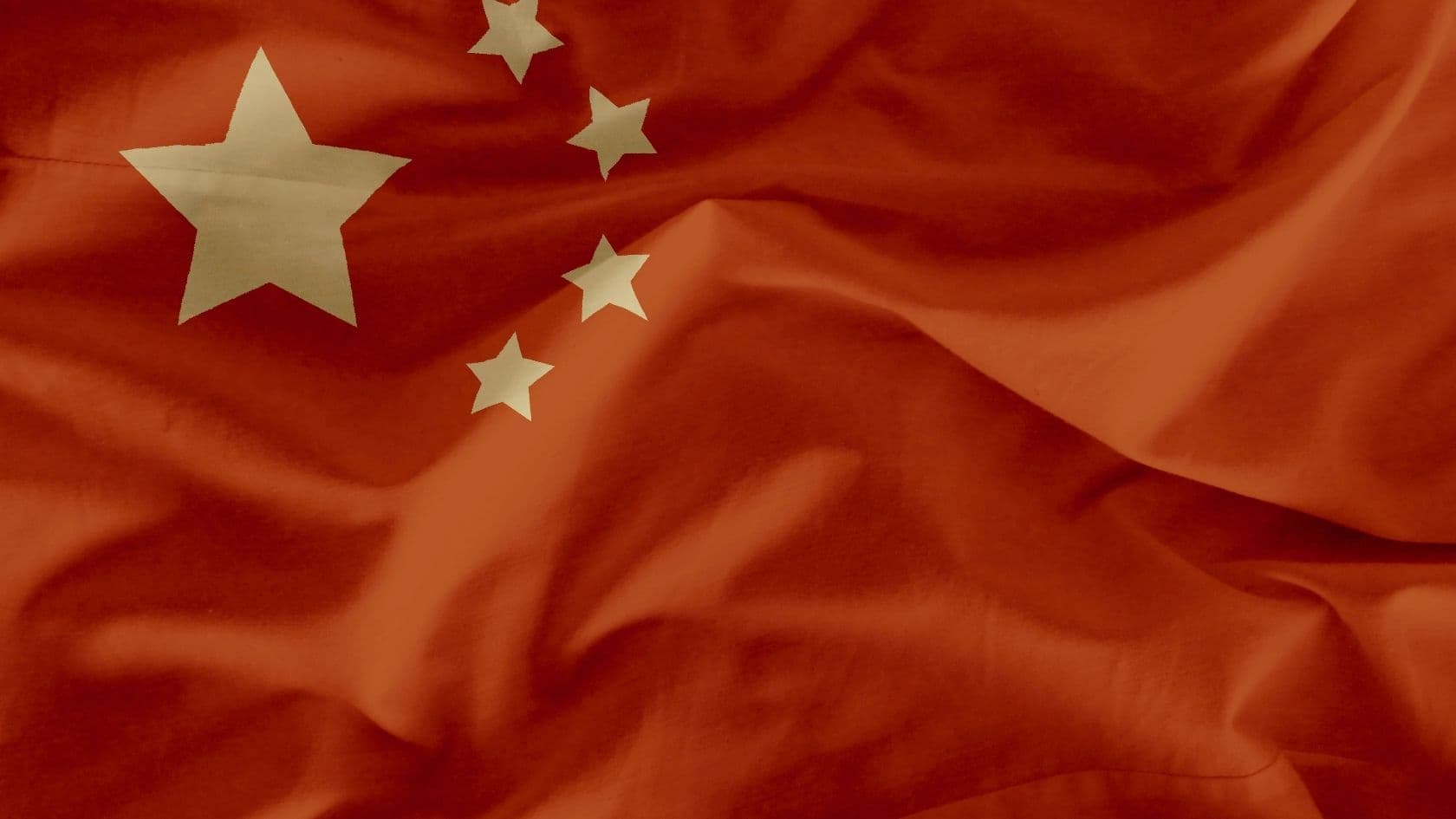

China is one of the world's oldest civilizations, and its values are rooted in history, philosophy, and governance in a way few nations can match. Those values shape its policies, its people, and how it deals with the rest of the world. If you want to understand China, I think you have to start with the principles behind its long-term strategy and its global ambitions — not just the headlines.
Below, I'll walk through the core values that define China, along with the strengths and challenges each one brings. I'll also look at what makes China distinct from other nations, and what these values might mean for the world going forward.
Collective harmony
The cornerstone of Chinese values is collective harmony. This principle puts the group ahead of the individual, aiming for stability and cooperation within society. It's rooted in Confucianism, which emphasizes order, mutual respect, and avoiding conflict wherever possible.
How it affects China
- Strengths: This value builds unity and social cohesion, and it's a big part of why China can implement large-scale initiatives so efficiently. It has helped maintain internal stability even through rapid modernization.
- Challenges: The focus on harmony can suppress dissent, creating tension between individual freedoms and state-imposed order. Critics argue it sometimes stifles creativity and innovation.
Global impact
China's emphasis on harmony shapes its foreign policy, which tends to favor negotiation and long-term relationships over abrupt action. That said, its insistence on non-interference in other nations' affairs often clashes with global calls for intervention on human rights issues.
Pragmatism
A defining trait of modern China is pragmatism — practical solutions over ideological purity. From Deng Xiaoping's market reforms to today's economic strategies, pragmatism has driven China's rise as a global powerhouse.
How it affects China
- Strengths: Pragmatism lets China adapt quickly, whether the arena is policy, technology, or economics. It's why China balances state control with market-driven growth, blending socialism with capitalism in a way that would look contradictory almost anywhere else.
- Challenges: Balancing pragmatism with ideological consistency is a tightrope walk, and it opens the door to criticisms of hypocrisy or opportunism.
Global impact
China's pragmatism drives its investments in developing countries, especially infrastructure projects like the Belt and Road Initiative. This builds goodwill and economic ties, but I'd be honest that some critics see these efforts as debt diplomacy rather than partnership.
Respect for hierarchy
China's value system places real weight on hierarchy. You see it in its political structure, its corporate culture, and even in family dynamics. Hierarchy ensures clear roles and responsibilities, which creates an efficient chain of command.
How it affects China
- Strengths: Respect for hierarchy supports discipline and order, and it contributes to the country's ability to execute ambitious projects at national scale.
- Challenges: This same value can discourage open communication and innovation, since lower-ranking individuals may hesitate to challenge authority.
Global impact
In international relations, China's hierarchical outlook shapes how it approaches global governance. It tends to see itself as a leader among developing nations, and it often seeks to reshape institutions to reflect a more multipolar world.
National pride
National pride is a powerful force behind China's domestic and international agenda. Rooted in a sense of historical greatness and resilience, this pride fuels ambitions to reclaim its place as a global leader.
How it affects China
- Strengths: National pride unites the population, giving people a collective sense of purpose and resilience. It's a key motivator behind advances in technology, military power, and space exploration.
- Challenges: Pride, taken too far, can tip into overconfidence or strain relationships with neighboring countries — particularly around territorial disputes.
Global impact
China's national pride shapes its assertiveness on issues like Taiwan, the South China Sea, and global trade. It projects strength, but that same approach can create friction with nations that read it as overly aggressive.
Long-term vision
Unlike many nations chasing short-term gains, China's governance is built around long-term vision. Policies are often planned decades ahead — a kind of strategic patience that few countries even attempt, let alone sustain.
How it affects China
- Strengths: This foresight has let China make steady progress in infrastructure, technology, and economic development. It's a big reason behind the country's rapid rise on the global stage.
- Challenges: Long-term vision asks for sacrifices in the present, which can lead to public dissatisfaction or environmental costs.
Global impact
China's long-term planning shapes its role in global affairs. By investing in emerging markets and renewable energy, it positions itself as a leader in shaping the future. Still, some nations question whether this vision lines up with their own interests.
What makes China different?
China's values stand apart because they blend ancient philosophy with modern pragmatism. Where Western nations tend to emphasize individualism, China's focus on collective harmony and hierarchy creates a genuinely distinct social fabric.
Its long-term vision contrasts with the short-term cycles that many democracies operate under, giving it an edge in planning and executing large-scale initiatives. But this approach also surfaces real tension between rapid progress and individual freedoms — that trade-off doesn't disappear just because the results are impressive.
Challenges and strengths
Challenges
- Balancing modernization with tradition.
- Addressing criticisms of human rights while maintaining internal stability.
- Managing environmental and economic sustainability amid rapid growth.
Strengths
- A cohesive society that prioritizes unity.
- Adaptability through pragmatic governance.
- Strategic foresight that positions China as a leader in global affairs.
Which values guide China's future?
As China continues its ascent, these values will keep playing a pivotal role in shaping global dynamics. Harmony, pragmatism, hierarchy, national pride, and long-term vision together offer a framework for growth — but they also pose challenges that need careful navigation, not just from China but from everyone dealing with it.
I'd say China's success will come down to how well it balances these values against the expectations of a globalized world. Dialogue, respect for differences, and responsible leadership are what would let China build a legacy that benefits not just itself, but humanity as a whole.
Discover your own core values
The free, research-backed Values App assessment reveals your top five in about three minutes — no sign-up required.
Take the free assessment